Saturday, May 29, 2010

Thursday, September 17, 2009


Mehandi

Mehendi, a common shrub is known to have been in use in all parts of the world since time immemorial. The traditional way of painting hand and feet with mehendi is still popular especially among brides
.
Decorating the bride's hand and feet with the application of henna or mehendi is symbolic of the auspicious occasion. Besides decorating
the hands and feet it is a popular dye to colour hair. It is also used as a home remedy for various minor ailments.
In North India, application of mehendi is a common custom. For them this is an auspicious day before the wedding.
The application of mehendi is an art that is fascinating and exciting . A combination of geometrical and floral patterns are used in this decorative art.
.
Decorating the bride's hand and feet with the application of henna or mehendi is symbolic of the auspicious occasion. Besides decorating
the hands and feet it is a popular dye to colour hair. It is also used as a home remedy for various minor ailments.
In North India, application of mehendi is a common custom. For them this is an auspicious day before the wedding.
The application of mehendi is an art that is fascinating and exciting . A combination of geometrical and floral patterns are used in this decorative art.
Arabesque Designs
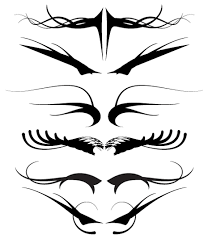

Indian woman are very fond of ornaments. Indian ornaments, have a variety of design and style, both traditional and modern. Each area in India has a particular style of design which is quite distinct from the others. Some of them are traditional symbols. Small and simple ornaments are used as casual wear. Heavy ornaments are used for occasions.

Tuesday, July 28, 2009
Wednesday, April 8, 2009
INDIAN ORNAMENTS
INDIAN ORNAMENTS
Indian woman are very fond of ornaments. Indian ornaments, have a variety of design and style, both traditional and modern. Each area in India has a particular style of design which is quite distinct from the others. Some of them are traditional symbols. Small and simple ornaments are used as casual wear. Heavy ornaments are used for occasions.
NOSE RINGS: It is a traditional custom for Hindu married women to wear a stud or a nose ring. Women pierce their nose either on one side or on both sides. Gold or silver studs embedded with stones of different sizes and shapes are worn. Small rings instead of studs are also used. The nose ring is considered as a symbol of marriage. Nowadays it is also worn by unmarried girls.
EAR RINGS: It is a common custom among Indians, to pierce the ears of a baby girl few months after her birth. Women wear different types of studs and hangings. These days women pierce their ears on the lobe and ornament themselves very attractively. On the occasion of marriage, very big hangings are used by brides. Ear rings of various metals like gold, silver, white and black metal are used. A thin chain attached to the ear studs with the other end pinned to the hair is called 'Maatty'.
There are few other ornaments used by women occasionally. On the wedding day, apart from the usual jewels, a big golden waist chain (Odyanam) is worn. It is worn around the waist and at times only on the left waist. It keeps the sari intact besides being an ornament. A thin chain worn on the center part of the head with a drop in front is called 'Chutti'.
An ornament called 'Vangi' is worn on both hands above the elbow. These ornaments are also used by dancers during performances.
BANGLES
India has a large range of arm ornaments. Bangles are popular among women. It is made of gold, silver, glass and many other materials. In some parts of India, women wear glass bangles of different colours which match their dress. Jaipur, in Rajasthan is a big centre for lac bangles. They are worn on uspicious occasions as a sign of good omen. A pair of shell and red coral bangles are worn by Bengali women as a symbol of marriage.
TOE RING
Toe rings are small rings worn on the toes. Wearing toe rings is a custom among some Hindu communities. It is usually made of silver. During the wedding ceremony the bridegroom put the toe ring on the brides toes. In North India toe rings are as important as a 'thali' (symbol of marriage). But nowadays it has become a fashion and is worn even by women of other communities.
Tuesday, April 7, 2009
STONES
Precious and Semiprecious Stones
Pearl (Vycranth): Represents the Moon. Believed to bring mental peace, economic prosperity, higher education and enhanced family status, its use during the period of its moon brings favours. The Pearl is also used to heal eye-related illnesses, any mental disorders and to assist good location. Worn on the ring finger. Ideal time to commence wearing it would be an hour of sunrise on a Monday.
Coral (Pavizham): Represents the planet Mars. Worn on the ring finger. Supposed to be the most favorable when Mars is prominent in one's life. Coral is widely used to enhance professional creativity, aid in the gaining of land and property, and to ensure a long married life. Believed to heal blood related diseases, the best time to start wearing it would be a Tuesday.
Emerald (Marathakam): Represents Mercury. Said to bring prosperity in education, banking and research. Emeralds are believed to be lucky for teachers, journalists and computer professionals. Believed to heal diseases related to the nervous system. Begin wearing it on a Wednesday, an hour after sunrise. Worn on the small finger.
Yellow Sapphire (Pushyarag): Represents the Jupiter. Brings luck and blessing from God. It is effective during the period of Jupiter in your life. The stone is believed to bless you with offspring, promotions, administrative powers and interest in religious matters. Start wearing it from a Thursday, an hour of sunrise, worn on the index finger.
Diamond (Heeraka): Represents the planet Venus. Favorable in matters of the heart, timely marriage and enhancement of beauty. Worn on the ring finger. Within an hour of sunrise on a Friday.
Blue Sapphire (Neela): Represents the Saturn. Using it brings luck and prosperity. Mainly to do away with rheumatism and lung diseases, the blue Sapphire is believed to help people engaged in meditation and yoga. Worn on the middle finger. Within an hour after sunrise on a Saturday.
Hessonite (Gomedha): Represents Rahu and hence brings luck during its rule in your life. Favours people who wish to be employed overseas and heals illnesses related to the intestine, skin and veins. The most auspicious time for commencing the use of this stone within an hour of sunrise on Saturday. Worn on the ring finger.
Cat's eye (Vydoorya): Brings favours during the period of Kethu. Believed that the use of Cat's eye with help to avoid miscarriage, allergies, heal urinary disorders allergies and grant educational progress. Worn on the ring finger set in a gold ring. Begin wearing it on a Tuesday within an hour of sunrise.
Pearl (Vycranth): Represents the Moon. Believed to bring mental peace, economic prosperity, higher education and enhanced family status, its use during the period of its moon brings favours. The Pearl is also used to heal eye-related illnesses, any mental disorders and to assist good location. Worn on the ring finger. Ideal time to commence wearing it would be an hour of sunrise on a Monday.
Coral (Pavizham): Represents the planet Mars. Worn on the ring finger. Supposed to be the most favorable when Mars is prominent in one's life. Coral is widely used to enhance professional creativity, aid in the gaining of land and property, and to ensure a long married life. Believed to heal blood related diseases, the best time to start wearing it would be a Tuesday.
Emerald (Marathakam): Represents Mercury. Said to bring prosperity in education, banking and research. Emeralds are believed to be lucky for teachers, journalists and computer professionals. Believed to heal diseases related to the nervous system. Begin wearing it on a Wednesday, an hour after sunrise. Worn on the small finger.
Yellow Sapphire (Pushyarag): Represents the Jupiter. Brings luck and blessing from God. It is effective during the period of Jupiter in your life. The stone is believed to bless you with offspring, promotions, administrative powers and interest in religious matters. Start wearing it from a Thursday, an hour of sunrise, worn on the index finger.
Diamond (Heeraka): Represents the planet Venus. Favorable in matters of the heart, timely marriage and enhancement of beauty. Worn on the ring finger. Within an hour of sunrise on a Friday.
Blue Sapphire (Neela): Represents the Saturn. Using it brings luck and prosperity. Mainly to do away with rheumatism and lung diseases, the blue Sapphire is believed to help people engaged in meditation and yoga. Worn on the middle finger. Within an hour after sunrise on a Saturday.
Hessonite (Gomedha): Represents Rahu and hence brings luck during its rule in your life. Favours people who wish to be employed overseas and heals illnesses related to the intestine, skin and veins. The most auspicious time for commencing the use of this stone within an hour of sunrise on Saturday. Worn on the ring finger.
Cat's eye (Vydoorya): Brings favours during the period of Kethu. Believed that the use of Cat's eye with help to avoid miscarriage, allergies, heal urinary disorders allergies and grant educational progress. Worn on the ring finger set in a gold ring. Begin wearing it on a Tuesday within an hour of sunrise.
Subscribe to:
Posts (Atom)
adbrite


